
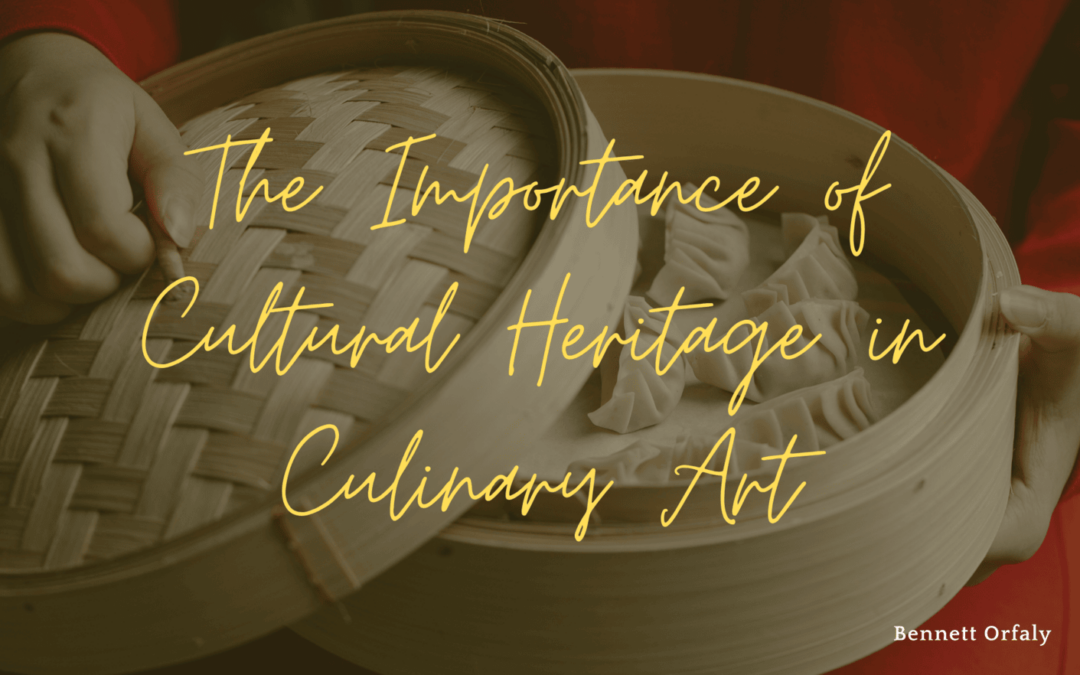
Culinary art is deeply intertwined with cultural heritage, reflecting the history, values, and traditions of different communities. Understanding the importance of cultural heritage in cooking enhances our appreciation for diverse cuisines and the stories they tell. This blog explores how cultural heritage influences culinary practices and fosters a sense of identity and belonging.
Preserving Culinary Traditions
Culinary traditions are passed down through generations, preserving the history and identity of a culture. Recipes, cooking techniques, and ingredient choices often reflect the unique experiences of a community, providing insight into its values and heritage.
For instance, traditional dishes prepared during holidays or celebrations often carry significant meaning. Foods such as tamales in Mexican culture during Día de los Muertos or matzah ball soup in Jewish culture during Passover serve as a connection to cultural identity and shared family history.
By embracing and preserving these culinary traditions, individuals contribute to the continuity of cultural heritage, ensuring that future generations can connect with their roots through food.
The Role of Food in Community Building
Food plays a vital role in community building, bringing people together and fostering connections. Shared meals create opportunities for social interaction, dialogue, and cultural exchange. In many cultures, communal dining is a cherished tradition, emphasizing the importance of togetherness and hospitality.
Celebrations often revolve around food, with families and communities gathering to share traditional dishes that embody their cultural heritage. This practice strengthens bonds and creates a sense of belonging, reinforcing the idea that food is more than just sustenance; it is a means of connection.
Culinary Fusion and Globalization
As cultures interact and influence one another, culinary fusion emerges, resulting in exciting new flavor combinations and dishes. Globalization has facilitated the exchange of ingredients, techniques, and culinary practices, leading to a rich tapestry of flavors in contemporary cuisine.
However, while fusion cuisine celebrates diversity, it is essential to approach it with respect and understanding. Acknowledging the origins of ingredients and techniques honors the cultural heritage they represent and fosters appreciation for the culinary traditions of different communities.
Teaching and Sharing Cultural Heritage Through Food
Food provides a unique platform for teaching and sharing cultural heritage. Cooking classes, food festivals, and cultural events often showcase traditional dishes and culinary practices, allowing individuals to learn about diverse cultures through their cuisine.
By participating in these experiences, cooks can gain a deeper understanding of the significance behind the food they prepare and share. Engaging with cultural heritage through cooking fosters respect and appreciation for diversity, promoting a sense of unity among communities.
Conclusion
Cultural heritage plays a crucial role in culinary art, shaping our understanding and appreciation of food. Preserving culinary traditions, fostering community connections, embracing culinary fusion, and sharing cultural heritage through food all contribute to the rich tapestry of flavors and experiences that define our culinary landscape.
By honoring the cultural significance of the dishes we prepare and share, we can create meaningful connections, celebrate diversity, and ensure that the artistry of cooking continues to thrive across generations.