
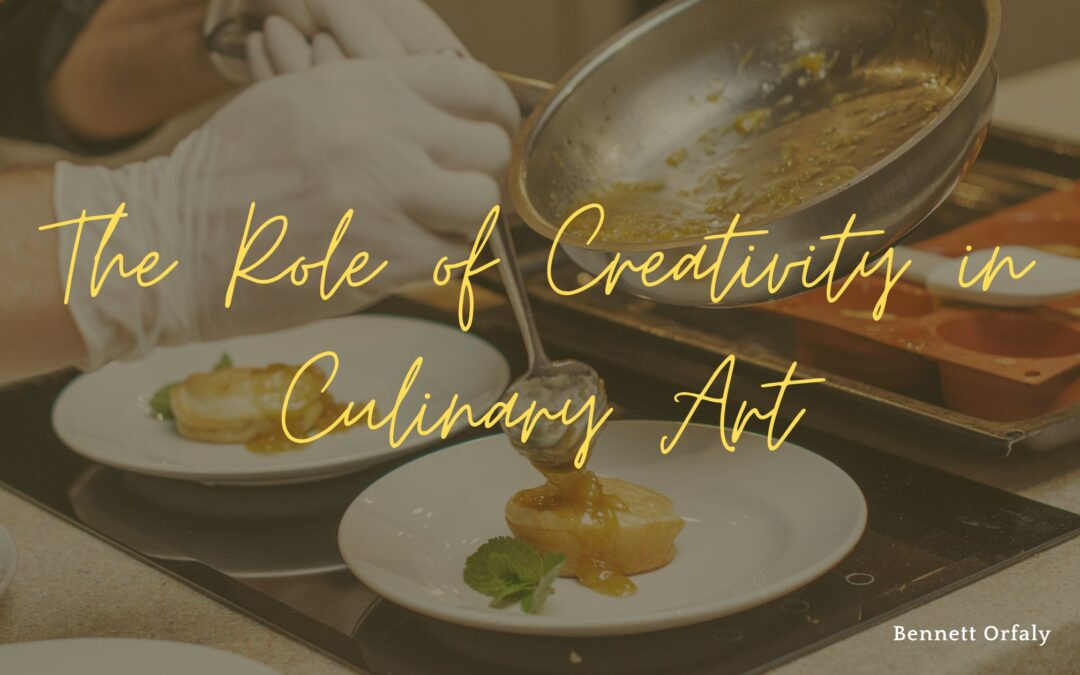
Creativity is at the heart of culinary art, enabling cooks to explore new flavors, techniques, and presentations. It allows chefs to innovate, experiment, and express their unique culinary identities. This blog delves into the significance of creativity in cooking and offers insights into how cooks can cultivate and unleash their imaginative potential in the kitchen.
Breaking Free from Tradition
While traditional cooking techniques provide a solid foundation, embracing creativity allows cooks to break free from convention and explore new possibilities. Chefs often take inspiration from various cuisines, merging flavors and techniques to create exciting fusion dishes. For instance, incorporating spices from Indian cuisine into classic French sauces can result in a unique and memorable flavor profile.
To foster creativity, cooks should feel empowered to experiment with ingredients and methods. This might involve trying unexpected flavor combinations or utilizing techniques from different culinary traditions. By stepping outside their comfort zones, cooks can discover new tastes and develop their signature styles.
Using Seasonal Ingredients
One of the most effective ways to inspire creativity in the kitchen is to cook with seasonal ingredients. Seasonal produce not only offers the freshest flavors but also challenges cooks to adapt their dishes based on what’s available. This encourages innovation as cooks think of new ways to showcase these ingredients.
For instance, in the summer months, an abundance of tomatoes might inspire a cook to experiment with fresh salsas, sauces, and salads. In the fall, an influx of pumpkins could lead to creative soups, pies, and roasted vegetable medleys. By allowing the seasons to guide their culinary creations, cooks can develop a deeper connection to their ingredients and the natural world.
The Art of Plating and Presentation
Creativity extends beyond flavor combinations; it also encompasses the visual presentation of dishes. The way food is plated can significantly enhance its appeal and impact diners’ perceptions. Thoughtful plating showcases the artistry involved in cooking and can turn an ordinary meal into a memorable dining experience.
To improve plating skills, cooks can explore various techniques such as layering, height, and color contrast. For example, stacking ingredients or using rings to mold food can add dimension to a plate. Incorporating edible flowers or microgreens as garnishes adds visual interest and can elevate a dish’s aesthetic.
Furthermore, experimenting with different serving dishes can also inspire creativity. A vibrant colored plate or an unconventional bowl can make a dish pop and create a more engaging dining experience.
Collaborative Cooking: The Power of Teamwork
Collaboration can ignite creativity in the kitchen. Working with others allows cooks to share ideas, techniques, and inspirations, resulting in innovative dishes that might not have been conceived individually. This collaborative spirit is often seen in restaurant kitchens, where chefs brainstorm and experiment together to develop new menus.
At home, cooks can invite friends or family to participate in meal preparation. This teamwork not only fosters creativity but also creates a sense of community and shared enjoyment in the cooking process. Consider hosting themed dinner parties where guests contribute different courses, bringing diverse culinary perspectives to the table.
Continuous Learning and Exploration
Culinary creativity thrives in an environment of continuous learning. Chefs and home cooks alike should seek inspiration from various sources, whether it be cookbooks, cooking shows, or online platforms. Attending workshops or culinary classes can also spark new ideas and techniques.
Additionally, exploring food culture and travel can broaden one’s culinary horizons. Visiting local markets, trying new restaurants, or engaging with different cultures can provide valuable insights into diverse culinary practices and flavor combinations.
Conclusion
Creativity is a vital component of culinary art, enabling cooks to express their individuality and push the boundaries of traditional cooking. By breaking free from convention, utilizing seasonal ingredients, mastering plating techniques, fostering collaboration, and embracing continuous learning, cooks can unleash their creative potential in the kitchen.
Cooking is not just about following recipes; it is about exploration, innovation, and self-expression. Encouraging creativity allows cooks to craft unique culinary experiences, delighting diners and elevating the art of cooking to new heights.